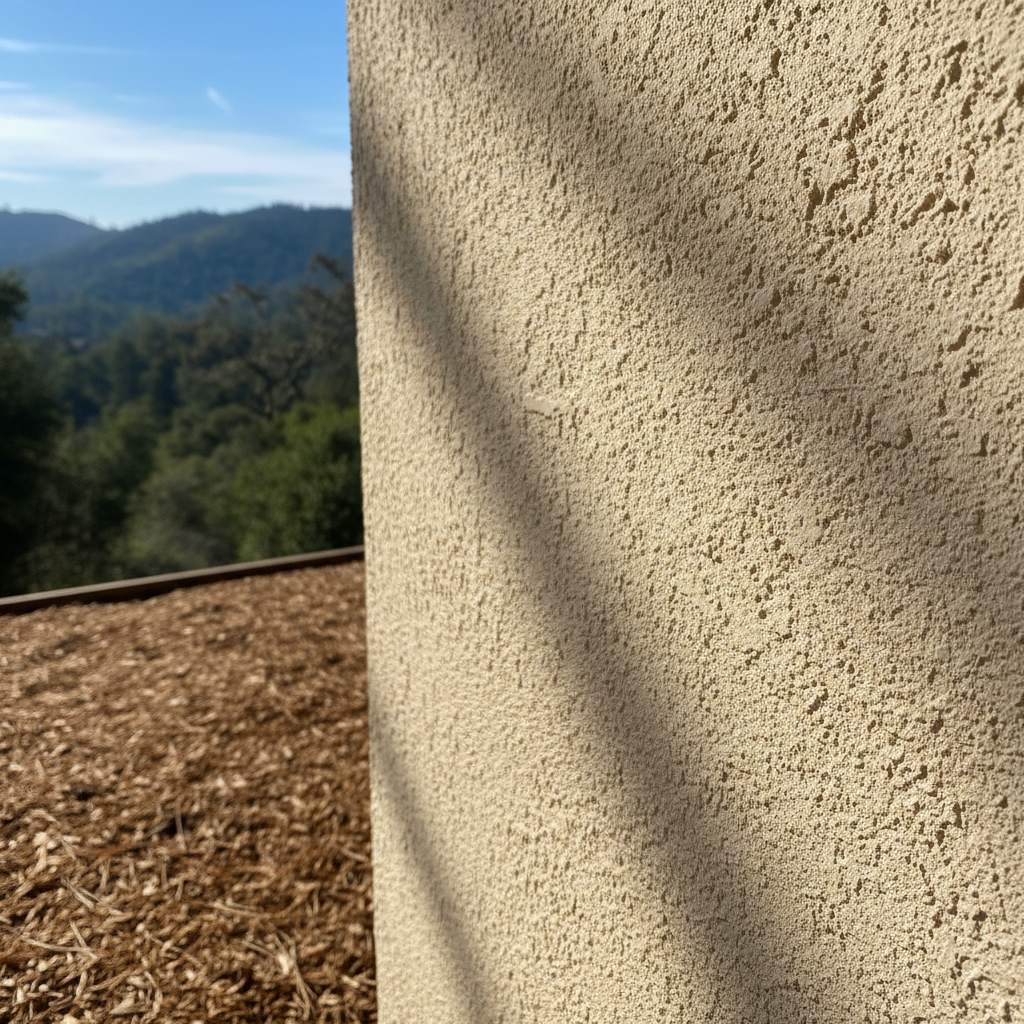
Alright, let's talk stucco. You've got a stucco home here in Scotts Valley, and at some point, you're going to wonder about its condition. Maybe you've seen a hairline crack, or you're just being proactive. Good for you. Regular checks are key to avoiding bigger headaches and bigger bills down the road. I've seen too many folks wait until a small issue becomes a full-blown water intrusion problem, especially with our damp winters and the way homes settle on our varied terrain around here.
Before You Start: Know Your Stucco
First off, understand what you're looking at. Most homes around here, especially older ones, have traditional three-coat stucco. It's cement-based, pretty tough, and has been around forever. Some newer homes might have a synthetic stucco system, often called EIFS (Exterior Insulation and Finish System), which is different but still needs attention. The inspection process is similar for both, but the implications of damage can vary.
Before you even step outside, grab a notepad and a pen. You're going to want to jot down anything you find. A good flashlight, a small mirror, and maybe a pair of binoculars for higher spots are also useful tools to have on hand. Safety first, though – don't get on a ladder if you're not comfortable. That's definitely a 'call a pro' situation.
Your DIY Stucco Inspection Checklist
Here's what you can realistically do yourself. This isn't about being a detective; it's about being observant. Walk around your house, take your time, and look closely.
- Look for Cracks: This is the big one. Hairline cracks are often just aesthetic, especially if they're thin like a human hair. But wider cracks, or cracks that form a spiderweb pattern, or cracks that run horizontally or diagonally from window and door corners? Those are red flags. Pay extra attention to areas around windows, doors, and where different building materials meet.
- Check for Stains and Discoloration: Dark streaks, especially below windows, vents, or rooflines, can be a sign of water getting in and running down behind the stucco. Green or black patches could be mold or mildew, indicating persistent moisture.
- Examine the Foundation Line: Your stucco shouldn't go all the way down to the dirt. There should be a gap, usually 4-6 inches, between the bottom of the stucco and the soil or sidewalk. This is called the 'weep screed' or 'kick-out flashing' area. If soil or landscaping is piled up against the stucco, it's a direct pathway for moisture into your wall assembly.
- Inspect Penetrations: This means anything that goes through your stucco: dryer vents, hose bibs, electrical conduits, light fixtures, and especially around deck ledger boards. The flashing and caulk around these areas are critical. If the caulk is cracked, missing, or pulling away, water can get in.
- Tap Test (Carefully): Gently tap on the stucco with a plastic hammer or the butt of a screwdriver. Listen for a hollow sound. A solid thud is good; a hollow sound can indicate that the stucco has delaminated from the wall sheathing, often due to moisture damage. Be gentle; you don't want to damage healthy stucco.
Take pictures of anything suspicious. It's a great way to track issues over time and show a professional exactly what you're concerned about.
When to Call Progressive Stucco Solutions (or Another Pro)
You've done your walk-around, and you've found some things. Now what? Here's when it's time to pick up the phone and get a professional opinion:
- Any Sign of Water Intrusion: This is non-negotiable. If you see dark streaks, bubbling, soft spots, or a hollow sound that's widespread, don't delay. Water behind stucco can lead to rot, mold, and structural damage that costs a fortune to fix.
- Wider or Patterned Cracks: Those spiderweb cracks, or cracks wider than a credit card, or cracks that seem to follow the framing? These suggest underlying structural movement or significant stucco failure.
- Damage Around Windows/Doors: If the flashing or caulk is compromised around these openings, or if you see staining directly below them, it's a high-risk area for water entry.
- You Suspect EIFS Issues: Synthetic stucco systems require specialized knowledge to inspect and repair. If you have EIFS and suspect a problem, definitely call a pro who understands these systems.
- You're Buying or Selling: A professional stucco inspection is a smart move for any real estate transaction. It gives both parties peace of mind and can uncover hidden issues before they become legal or financial burdens.
- You Just Don't Know: If you're unsure about anything you've found, or you just want a professional to give your stucco a clean bill of health, that's what we're here for. It's better to be safe than sorry, especially with something as important as your home's exterior envelope.
A professional stucco inspection goes beyond what you can do. We use specialized tools like moisture meters to detect moisture behind the stucco without being invasive. We know the common failure points for homes in our specific climate and soil conditions, like the clay-rich soils in parts of Scotts Valley that can cause foundation movement. We'll also check things like proper flashing, weep screed installation, and overall system integrity that might not be obvious to the untrained eye.
Think of your stucco as your home's skin. You want to keep it healthy. A little proactive inspection on your part, and knowing when to bring in the experts, will save you a lot of stress and money in the long run. Don't hesitate to reach out if you've got questions or need a detailed assessment. We're happy to help homeowners in Scotts Valley keep their homes sound.